Russell Buddy Helm

Reminiscences
Russell Buddy Helm
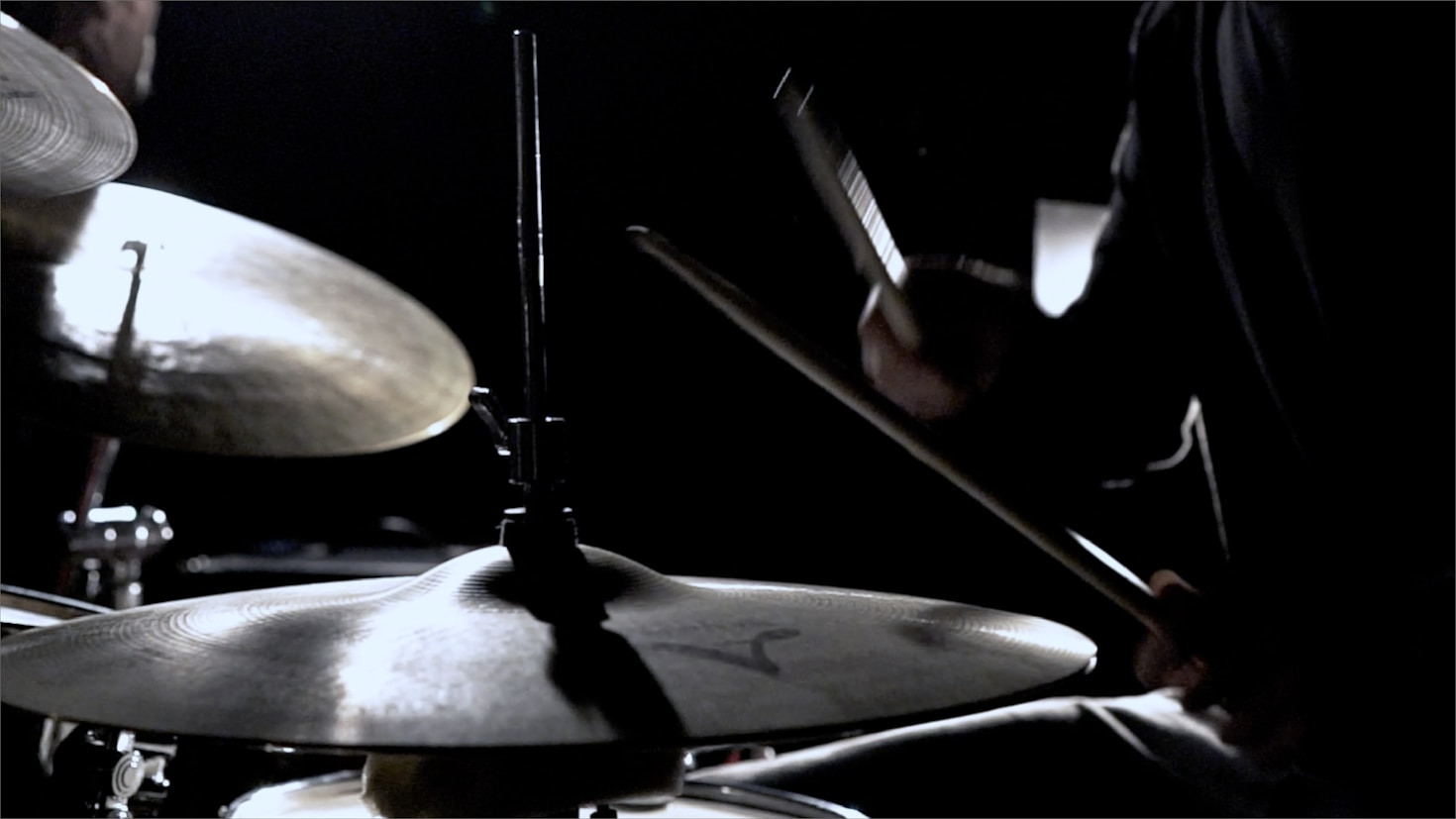
Now that I am seventy six years old my mind is taking inventory all on its own initiative, so I wake up about 8:20 in the morning with a song going through my head like some AI sub routine; faithfully reproducing a song from my past just behind my eyeballs as if I were still behind the drumset.
This morning it is Robert Palmer singing: “You might as well face it you’re addicted to Love”
This was the beginning of chic blue eyed soul music. It was produced in England. America didn’t have the cultural equanimity to come out with such a slick production Plus Robert Palmer was a suave dude. He didn’t look like a typical rock star: he wore a dark suit with a white shirt and a fore-in-hand knotted tie like he was a corporate executive. His hair was perfect but there was still the air of rebellious spirit.
But the thing that really sold this song and sent it up the charts was the video. Specifically the women in the video. The all-woman band consisted of ultra hot European models that all dressed and appeared to be identical: tall with legs forever, pulled back hair so tight it made their perfect faces taught with restrained passion. They all moved together even though it was obvious they were not really playing their respective instruments. It was the typical set up; Drums, Bass, Guitar, Keyboards and Robert up front with a microphone on a stand and his professional look.
They were thin and emotionless as they went through the motions of swaying back in forth in unison but not together like traditional groups. They were unattached in their own individual worlds while the song cooked in this nasty but polished groove. Robert didn’t have to acknowledge the women. He didn’t really even look at them.
It spoke of a time of sensuality grown up, looking for its equal on the world stage. Hot and sophisticated. Not yet New Age, definitely not punk but an aloof ethic that was more seductive than any other song on the charts. I could go on like Lester Bangs at Creem magazine but the thing that hit me was the chemistry of their skimpy minimalist tube dresses, The material was black and sheer. So sheer that as they moved in their disinterested lasciviousness, their private torsos were betrayed by the bright rock video lighting. They all looked identical too.
The song was good; a first class mix. But the women sold the video. It was beginning of pulp rock and it really worked. So today that is what I am listening to in my Juke box of a brain.

7:36 AM my juke box brain kicked in once again. This time it was Huey Piano Smith’s “Won’t you let me take you on a Sea Cruise.”
If we were to take a time machine back to the Crescent City in the early 1960’s we might see a skinny teen sitting on the stone window sill of the Preservation Hall Jazz Museum working on his plate of red beans and rice while listening to the last generation of genius jazz musicians playing tunes like “St. James Infirmary”. That could have been me.
Now “Sea Cruise” would not be categorized as a jazz tune, it had a huge sound effect of an ocean liner fog horn blaring in the middle of the tune, but it carries a lot of the jazz traditions. The drummer might have been Earl Palmer, or maybe even Zigaboo Modalisque, records were not organized too much. But the feel of the track survives. It swings like a house on fire. The swinging groove, which is a hold over from traditional jazz mixed with the urgency of straight up and down rock n roll made this song a gigantic feel good classic.
Since the culture of America was coming out of the segregation era, Sea Cruise was escaping the anonymity of being a “Race Record” Which was a dirty trick the record labels pulled by not putting the artist’s face on the record sleeve if they were of color. The white kids up north would buy it unknowing that they were condoning the exploitation. Only when Papa Ray Charles and other artists came north to perform did the white kids participate with integration to see their favorite recording artists.
The song might have been produced by the great Alain Tussaint. A lot of gold records came from that era. The money never made it into the pockets of the artists, but the music saved America anyway. We learned how to swing and share a good time.
The musical hook in the track is a baritone saxophone grabbing a descending melody line with a growling tone that every sax player since then refers to.
“Got the Boogie Woogie like a knife in the back.” is still a pretty good description of the effect of this music

Mustang Sally

Bright and early this morning on the day after Christmas Day my juke box brain kicked in with ”Mustang Sally” by Wilson Pickett. I have no control over this mental function and I can not turn it off. So I must endure it. Whatever song is decided there lies my fate. So this morning at 8:30 we are listening to Mustang Sally exactly like the record with all the flourishes by maybe Steve Cropper chopping away on his Telecaster and Al Jackson chopping wood on the drums. Every bar band I ever played with had to play this song. Its a great song.
Steve Cropper just passed, God rest his funky soul. He was a testament to the fact that white boys got soul. Al Jackson on the drums was always a treat. He was a prince of a man. Many decades later I met a white woman who had been helped by Al. He got her off the street in Memphis when she was a kid and got her cleaned up. She turned out real fine. Thank-you Al.
Soul music has a lot of “heart” In it as well as a lot of funk.
When Wilson Pickett released “Mustang Sally” I was in a quandary about my life. Mother had remarried ten years after my father’s confusing death. He had been in Naval Intelligence and we had no closure as they say. She finally lowered her drawbridge and allowed a pharmacist to marry her. We immediately moved from Elkhart, Indiana, a nice middle class town on the Michigan Indiana border far enough East to not be a suburb of Chicago to the deep south of central Florida where the most exciting event was watching orange groves. I gravitated to the local radio station. “Oh Happy Day” and “Mustang Sally” gave me solace among the six thousand local Crackers.
At four years old I had been on our gentleman farmer’s plantation outside of Philadelphia when grandmother approached me as I played with my metal toy “buddy” brand truck;
“You’re father is dead. You are the Man Of The House Now.”
It was a sentence that I had to endure for the rest of this life. Soul music became the only balm that worked. People who live without their father’s love are to be pitied because they are missing a player in their personal band. The band still goes on but it’s not the full sound. So I am grateful for Soul Music.

“Put me in Coach” was a comeback tune for John Fogarty after years of legal battles to regain ownership of his tunes recorded while in Creedence. His nemesis even tried to sue for composing songs that sounded like his old hits. John rerecorded every song.
It is stuck in my head this morning. I don’t really like it but such is the nature of hit songs with “hooks”. It is still inspirational; never give up.

Ennio Moriconi’s soundtrack for Clint Eastwood’s “Fistful of Dollars” greeted me over my first cup of coffee this morning.
I was afraid of what would pop up like maybe Cat Stevens. My jukebox Brain has been alerted to the fact that I am writing about it’s morning musical memory recitals. Like I said before, I have no control over what song my brain whips up in the morning. Spaghetti westerns are not bad.
The phenom of media is all-encompassing now. Netflix docs on Clint mentioned that his agent thought going to Italy was a bad idea. “Malpasso” became his production company name. “Bad Idea”. Bad agents not with standing.
We have passed through the era of “anti-hero” and are now in terra incognita as far as male roll models go. Good luck.
I identified with Clint too much as a young man. So romantic: ride in, blast the bad guys, love the ladies and ride out of town. Much like being a drummer. We are living a dream. Unless we have to work for a living.
I am looking forward to the future. The present-not so much. Pulling together isn’t something that is popular right now. Morriconi knew how to get an orchestra to cooperate and the result was great art. Let’s hope for the best.

Who Wrote the Book of Love

The Monotones coined this tune all by themselves back in 1957. It is a classic ear wig and would not leave my Jukebox Brain alone. So by listing it here, I might expunge it from buzzing around my lobotomy. This was an era where sexual politics was lightweight but heavy handed with men primarily calling the shots. Men today might even yearn for simplistic rules of love, even women too. But the history of relationships is a minefield. What’s mine and what’s yours. But the groove of the song still works. A true garage classic where the sound of a basketball hitting the garage door during rehearsal sounded so good to these kids that they kept it in the arrangement. Supposedly inspired by a pepsodent toothpaste commercial.

Take a Look Around

Paul Simon wrote many great songs and the recorded version of “Take a look Around, The Leaves are Brown.” with Art Garfunkle is still a classic. A portrait and a wake up call of New York by a top artist at their prime. Its a slice of life in winter time. These songs define us even when we don’t want them to. Urgent yet loving. It holds up over time. It is philosophy of the street. I disregarded this song when it came up in my Juke Box Brain because it had been ubiquitous when it was originally released. But it stubbornly played over and over in my frontal lobes for days until I acquiesced and gave it print time here. 
“Time see what you’ve done to me.”

Things We Do For Love

10CC was a a big act back in the Seventies. “Like walkin in the rain and the snow and there’s no where to go. Feels like a part of you is dying”. The ultimate polished production from England. Seems like the British bands had more classical music education than the Americans. This loop is cycling through my Jukebox brain and I don’t even like the song. Such is the curse of pop music. Hooks that won’t leave us alone. I went home to Florida for high school reunion and everyone wanted me to sit in with the cover band. So I sat behind their drummer’s kit and the leader looked at me warily. “What song do you want to do?” He asked in a condescending tone. “it doesn’t matter.” I said. So he counted off a hit song from the seventies and I matched the record parts drum note perfect. When we were done everybody cheered and the leader’s mouth was hanging open. “Who ARE You?!” He asked with amazement and awe.
“Just another 1967 alumni.”

Sit Right Down and Write Myself a Letter

This is proof I have no control over playback. All night long and into this morning, my JukeBox Brain looped through the tune written by Fred Ahlert/Joe Young, Immortalized by Fats Waller and included in the Broadway musical, Ain’t Misbehavin’, also Frank Sinatra and an infinite list of covers be anyone who sings. The lot in life for a drummer is that the frontman or woman calls the next tune and the drummer’s job is to make the song work. Even if it was written in 1935. Its a two beat drum pattern with no fancy drum fills often sang on New Years Eve in Atlantic City where there are gangsters present. The drummer has no choice but to keep playing. No doubt triggering memories from my past as a working drummer. It is a great classic standard none the less.

Yesterday I woke up with Grace Slick wailing in my head, in front of an on-fire band. Jorma, Jack, Paul, Marty and Spencer on drums. This song is relentlessly confrontational and personally addresses the condition of emotional dishonesty. A beginning time when women of power were speaking their minds. Jefferson Airplane signaled the end of an era; bands in uniforms were no longer viable. This is akin to a psychic enema. Psychotherapy disguised as a hit song. When LSD was introduced into the mainstream culture no one had any idea what the outcome would be. Casualties, but also breakthroughs long overdue involving evolution of human consciousness. Things haven’t gotten any better really. But the song has not lost any of its power. It has taken time for the concepts to be seriously regarded. The hope back then was that Love and the commensurate additives would assuage modern cultural isolation. This song forces people to reconsider their aloneness. Its exciting and I don’t mind that my Jukebox Brain has plucked it out of the deep folds of my cerebellum and forced me to witness its greatness all over again.

Wanna Take You Higher

Sly and the Family Stone was without a doubt the most thrilling band alive. My band Bethlehem Asylum opened for them on numerous occasions in Miami. When this song kicks in the whole world gets up to dance. This morning it is pulsing through my JukeBox Brain like a psychedelic gospel freight train. Pity the folks who never got the chance to witness them in person. Their signature song after Woodstock put them on the cosmic map cementing their place in history. This song evolved out of live performances and owed its popularity as much to the audience response as well as to the band’s stellar performance.
If you want a sample of what the Sixties was really about this is it.

Discover the Artistry of Russell Buddy Helm
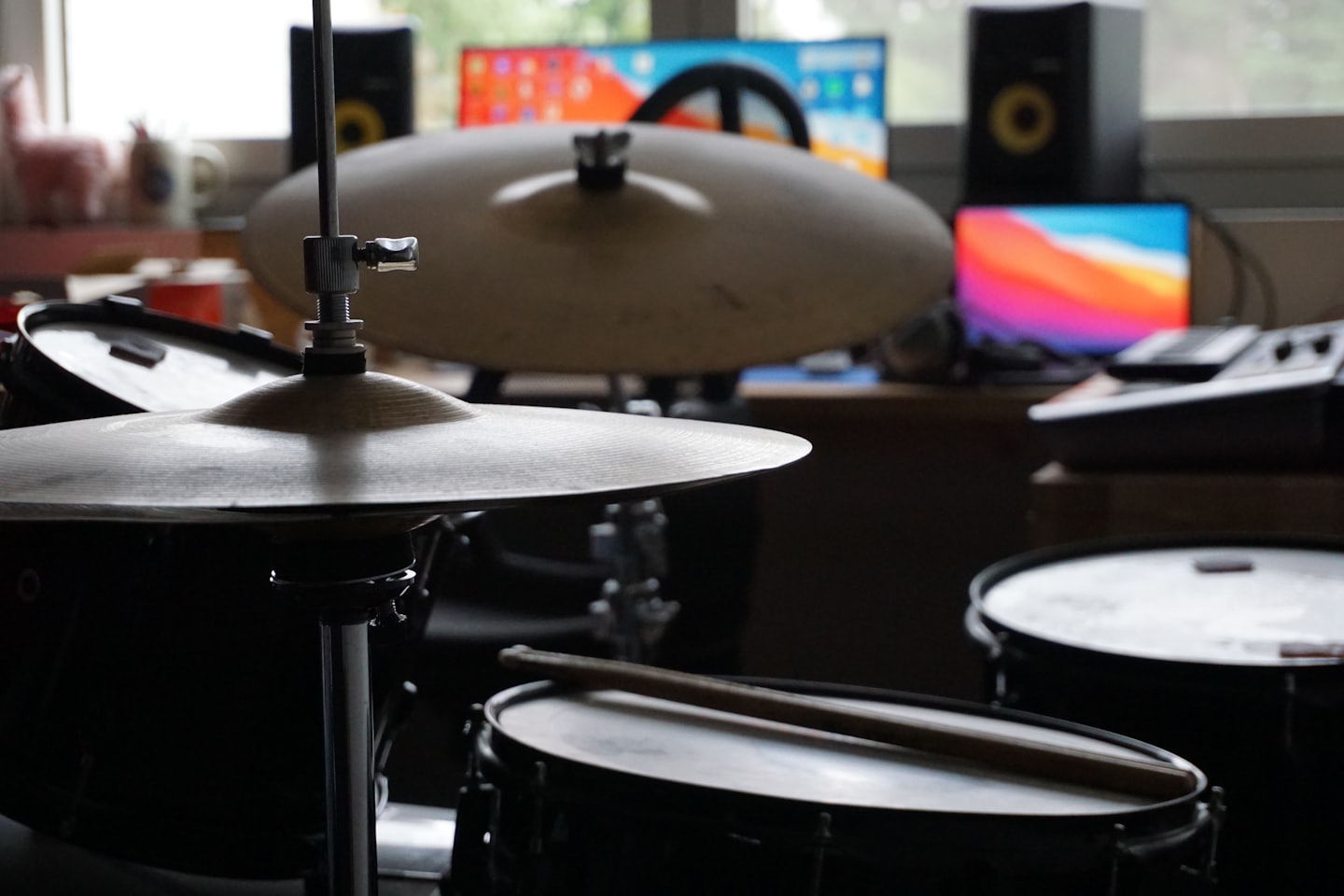

Dive into the world of Russell Buddy Helm, where his dynamic drumming career and thought-provoking essays on music, philosophy, art, and psychology come alive, inviting you to experience a unique creative journey.

Russell Buddy Helm: Drums and Writings

Explore Russell Buddy Helm’s journey through drumming and essays on music, philosophy, art, and psychology.

Essays

Explore a collection of essays that intertwine music, philosophy, art, and psychology, reflecting Russell Buddy Helm’s unique perspectives.

Explore the Rhythms of Buddy Helm’s Drumming

Discover how to schedule sessions seamlessly, with clear steps and essential information for a smooth booking experience.

Exploring Drumming, Essays & Philosophy

Discover upcoming performances and readings that invite you to dive deep into rhythm and thought, connecting with Russell Buddy Helm’s creative world.
Rhythms of Reflection: Live Drum Session

When:

Where:

Experience an immersive drum performance paired with discussions on music and mind.
Essays Unveiled: A Night of Ideas

When:

Where:

Join a reading session exploring themes of art, psychology, and philosophy through original essays.

Drumming Workshop & Q&A

When:

Where:

Hands-on drumming techniques followed by an interactive discussion on creative process.